Jane Austen and Bridgerton in Bath — the connection
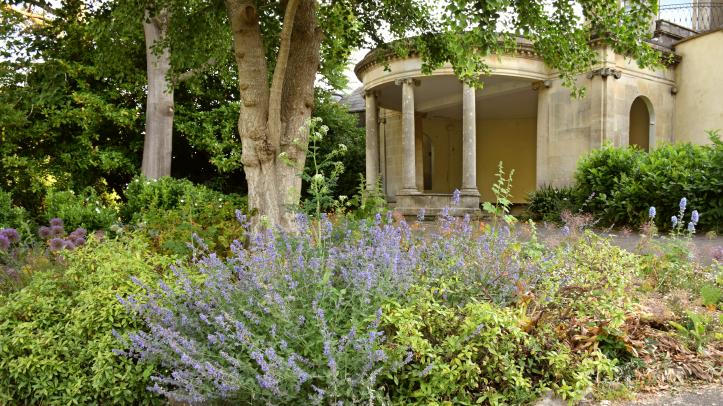
Jane Austen lived at 4 Sydney Place from 1801 to 1805 — 200 yards from the Holburne Museum used as Lady Danbury's residence in Bridgerton. She attended the same Assembly Rooms used for Bridgerton's ball sequences. She walked Sydney Gardens, which appeared in Season 1. Bridgerton's social world is not a coincidence: it is Austen's Bath, amplified by 200 years of distance and a Netflix budget.
Why the connection runs deep
'Northanger Abbey' and 'Persuasion' — Austen's two Bath novels — are both fundamentally about the marriage market: young women navigating a social system where public events (balls, promenades, card parties) are actually assessments. Bridgerton is the same story, made more explicit. Julia Quinn, who wrote the Bridgerton books, has cited Austen directly as an influence.
The production's choice of Bath as its principal filming location was not purely aesthetic. Bath is the only city in England where Austen's social world remains physically legible — the Assembly Rooms are still standing, the Georgian terraces are largely unaltered, the pleasure gardens still exist. Bath looks like Regency England because it never stopped.
Five locations shared by Austen and Bridgerton
-
Bath Assembly Rooms
BA1 2QH
Jane Austen
Austen attended the balls here and wrote about them in 'Northanger Abbey' and 'Persuasion'. She found them a useful setting to observe social rituals she was sceptical of.
Bridgerton
The Assembly Rooms hosted all of Bridgerton's principal ballroom sequences across Seasons 1, 2, and 3. The same chandeliers, the same proportions, the same card room visible in background shots.
-
Sydney Gardens
BA2 6NT
Jane Austen
Austen lived at 4 Sydney Place from 1801 to 1805 — directly adjacent to Sydney Gardens. She walked the gardens and wrote about the subscription concerts held in the pleasure ground. Her letters describe the same promenades that Bridgerton depicts.
Bridgerton
Season 1 used Sydney Gardens for promenade sequences — the outdoor social rituals that Austen described from her own walks here. The canal ironwork bridge visible in production shots is the same bridge Austen would have crossed.
-
Pulteney Bridge and Great Pulteney Street
BA2 4AT
Jane Austen
In 'Persuasion', the chase scene between Anne Elliot and Captain Wentworth ends at Camden Place, approaching through the city centre. Great Pulteney Street and the Pulteney Bridge area are the setting for some of the novel's key street-level moments.
Bridgerton
Great Pulteney Street and Pulteney Bridge appear across all three Bridgerton seasons as the principal street and approach to the city. The same vista — looking back at the bridge from Grand Parade — appears in Austen's Bath and in Bridgerton's establishing shots.
-
No. 4 Sydney Place — Jane Austen's Bath home
BA2 6NZ
Jane Austen
Austen's family lived at 4 Sydney Place from 1801 to 1805. A blue plaque marks the house. During these years she walked to the Assembly Rooms, attended the baths, and began revising 'Northanger Abbey'. The experience of Bath society — useful and suffocating in equal measure — runs through both novels she set here.
Bridgerton
Sydney Place is a five-minute walk from the Holburne Museum (Lady Danbury's residence) and the eastern end of Great Pulteney Street. The neighbourhood Austen lived in is the same neighbourhood the production chose as its primary filming location 200 years later.
-
The Roman Baths — 'taking the waters'
BA1 1LZ
Jane Austen
Bath's identity as a spa city derived from the mineral springs below the Roman Baths. By Austen's time, 'taking the waters' was still the ostensible purpose of a Bath visit — the social season was the actual purpose. Both 'Northanger Abbey' and 'Persuasion' reference this ritual.
Bridgerton
Bridgerton's Bath is equally defined by the social rituals built around the city's waters. Thermae Bath Spa, a five-minute walk from the Roman Baths, runs on the same natural mineral springs — the most direct modern connection to the experience both Austen and Bridgerton describe.
Book a combined Jane Austen and Bridgerton tour in Bath
Where to stay for the Austen and Bridgerton route
Hotels on or near Great Pulteney Street place you at the centre of both the literary and filming locations — 200 yards from 4 Sydney Place and within walking distance of the Assembly Rooms.
The Weekend Five
This weekend's top 5 events, in your inbox Friday
Picked from the live feed. One email a week, no filler.